


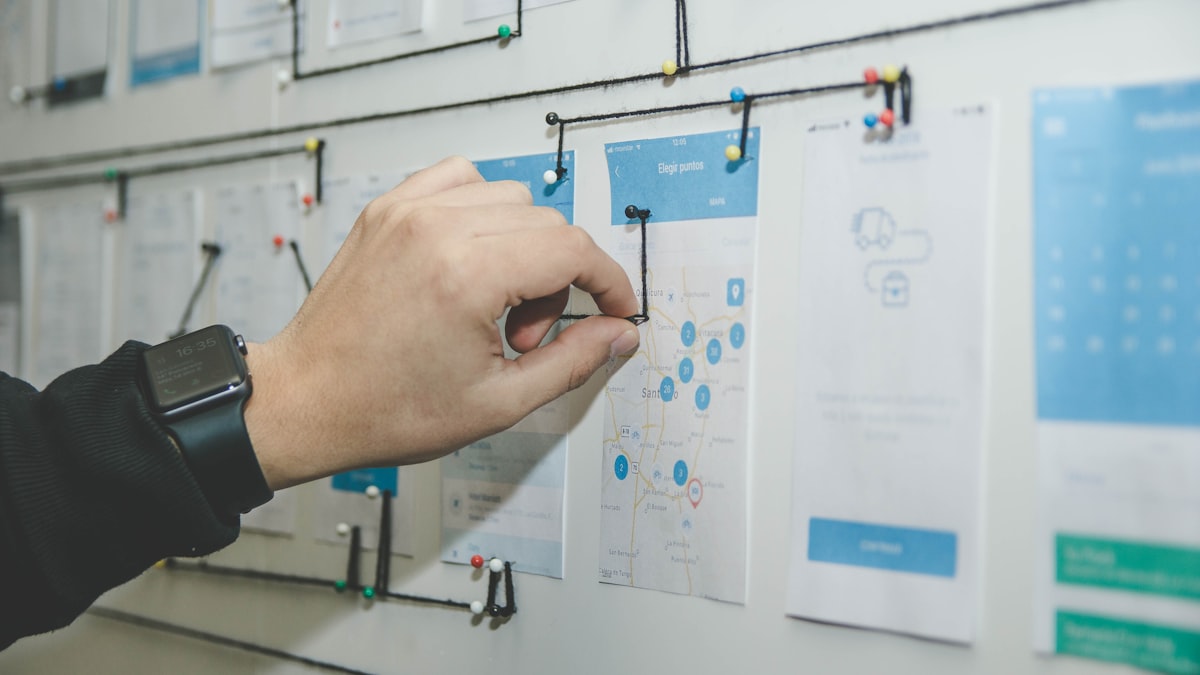



Research before campaigns: why we always do the discovery work first
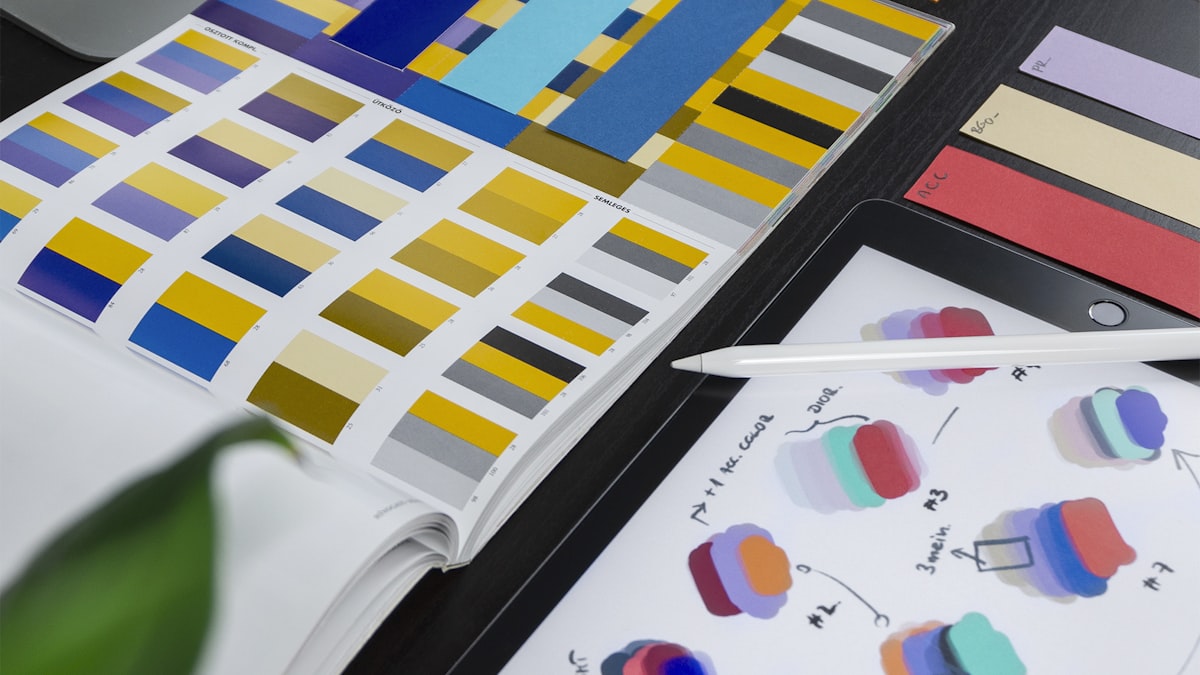
Most marketing fails at the brief. By the time creative is being produced, media is being booked, and dashboards are being built, the most consequential decisions — who is this for, what are we actually offering, why would they care — have usually been made. If those decisions are wrong, no amount of execution rescues the campaign.
That’s why CMB Insight engagements almost always start with discovery, even when clients arrive convinced they already know the answers.
What we mean by discovery
Discovery is a structured period — typically two to four weeks — where we deliberately resist producing anything except a clearer understanding of the problem. We talk to customers, we read the data, we look at the competition, and we challenge the assumptions the client walked in with. The deliverable is usually a single document that does three things: it states what we now know, it names what we’re still guessing about, and it makes a recommendation for what to do next.
It’s the least visually impressive deliverable we produce. It’s also, by a margin, the one that most reliably changes how a business spends its marketing budget for the following year.
What it isn’t
Discovery isn’t a workshop where we ask the leadership team what their goals are and write them on a whiteboard. That’s a useful conversation but it’s not research. Research means actually going out and finding things the client didn’t already know.
Discovery isn’t a market report either. We’re not interested in the size of a category in aggregate. We’re interested in why specific real customers chose this company over that one, what they almost bought instead, and what nearly stopped them.
Why clients resist it
Discovery is the part of a marketing engagement clients are most likely to push back on. Three reasons usually come up. First, they feel they already know their customer. Second, they want to see something happening, not just thinking. Third, they think research is what big companies with bigger budgets do.
We understand the resistance. We still push back. The clients who push hardest on doing discovery are, in our experience, the ones who most need it — because they’ve usually been operating on the same set of assumptions for years and have built up a strong attachment to them.
When we skip it
We do occasionally skip discovery, but only when one of two things is true. Either the client has recently done their own research that we can use, or the engagement is small enough that the cost of doing discovery would outweigh the cost of getting it wrong. For anything material — a brand refresh, a new product launch, a market entry, a six-figure campaign — we will always recommend discovery, and we’ll usually decline to take on the rest of the work without it.
Frequently Asked Questions
How long does discovery take?
Typically two to four weeks. Longer engagements occasionally take six weeks if multiple markets or customer segments are involved.
How much does it cost?
Discovery is priced on day rate. A typical discovery comes in between £8,000 and £20,000 depending on scope. See our Schedule of Charges for current rates.
Do we own the research?
Yes. All research outputs are delivered to you and yours to keep, share internally, and use in future work — including with other agencies.
What if discovery shows the original plan was right?
Then you have validated assumptions instead of unvalidated ones, and you can spend the rest of your budget with more confidence. That’s still a useful result.
Image: Unsplash · Unsplash License · source
Want to put this into practice?
CM Beyer helps UK businesses with marketing strategy, advertising, and consulting. Get an itemised quote in your portal — most arrive within one working day.
