


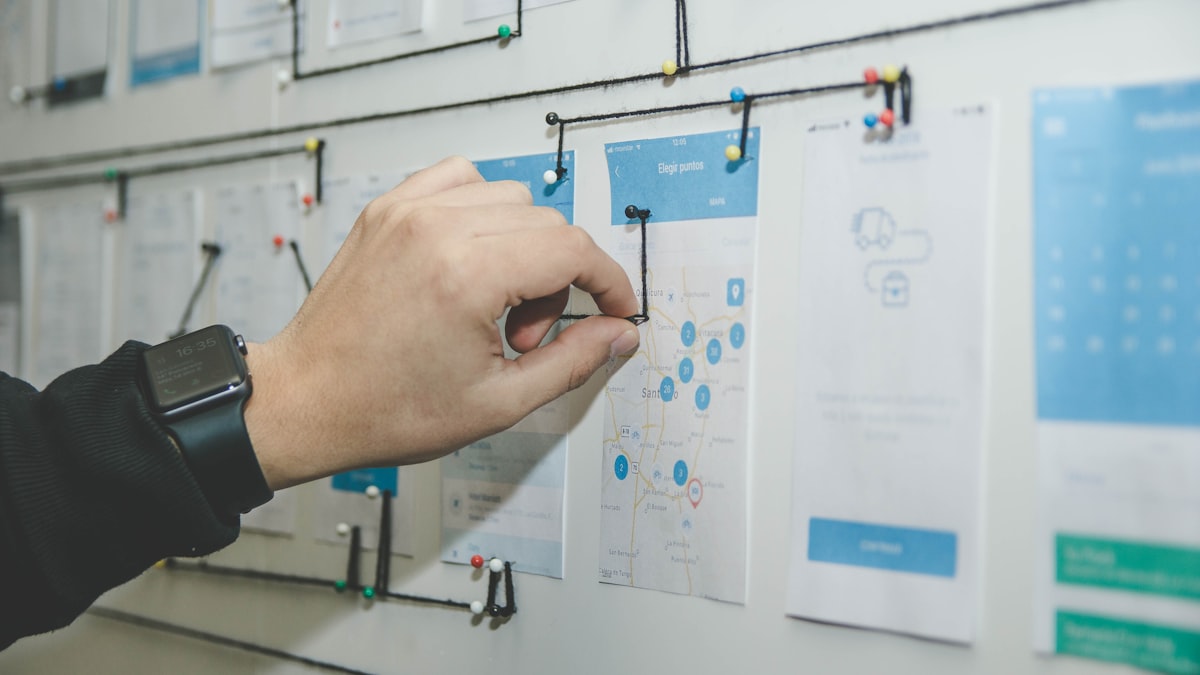



Inside a CMB Amplify campaign: how we run them end to end
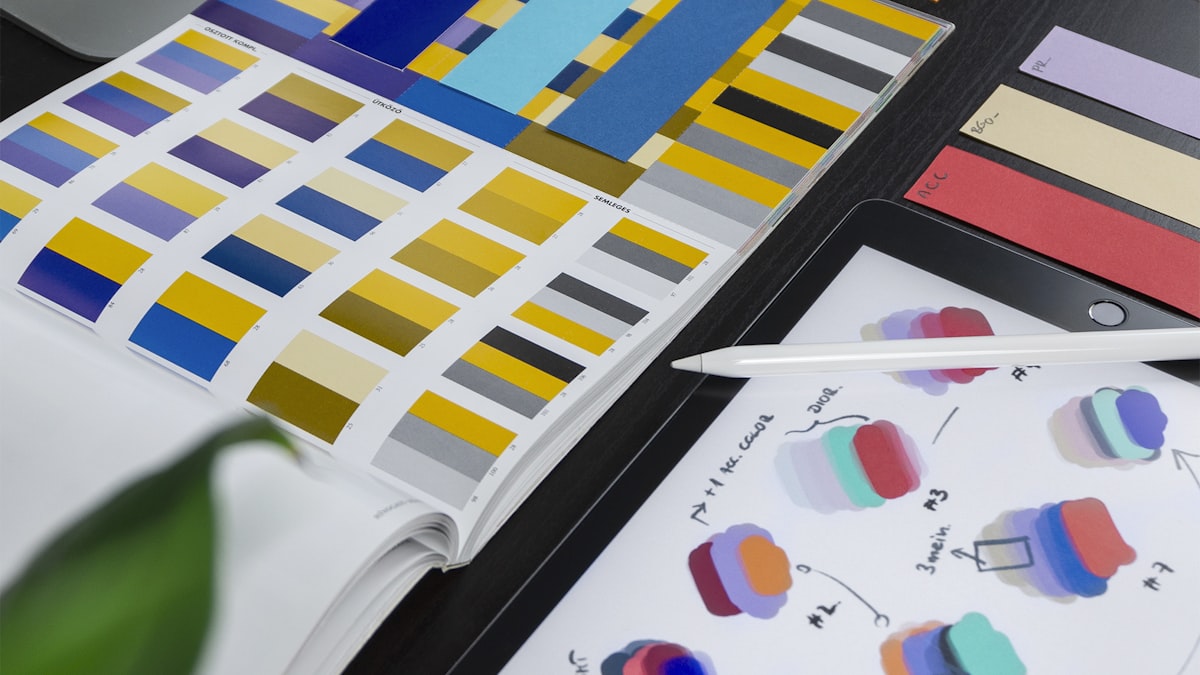
Clients sometimes ask what an advertising and creative engagement with CMB Amplify actually looks like — what happens in week one, what happens in week six, what they’re meant to do at each stage. This article walks through the typical shape of a campaign, stripped of jargon and with realistic timelines. It’s deliberately generic; specific engagements vary considerably.
Stage one: brief and discovery
Most engagements start with a brief — usually a few paragraphs about what the client wants the campaign to achieve. We don’t take these at face value. The first one to two weeks are spent stress-testing the brief: clarifying the audience, sharpening the proposition, and understanding what success actually looks like. By the end of stage one we have a one-page restatement of the brief, agreed with the client, that we’ll measure everything else against.
This stage usually surfaces at least one significant disagreement about what the campaign is for. That’s healthy. It’s better to have the argument in week two than in week eight.
Stage two: strategy and concept
Weeks two and three are about deciding the strategic shape of the campaign — where it will run, how the message lands across different channels, and what creative direction will carry it. We typically present two or three concepts at this stage, each with a clear point of view. We’re explicit about which one we’d recommend and why.
Clients tend to enjoy this stage. It’s where the campaign starts to feel real. We try to keep it honest by making sure the concepts are genuinely different — not the same idea in three colours.
Stage three: production
Once a concept is approved, production begins. Timings depend heavily on the deliverables. Digital assets — banner ads, social creative, landing pages — can usually be turned around in two to three weeks. Video adds another two to four. Out-of-home or print adds time for production and approval cycles. For a typical multi-channel campaign, plan for four to eight weeks of production.
This is the stage where most schedule slippage happens, almost always because of approval cycles on the client side. Building in approval windows up front saves a lot of pain later.
Stage four: launch and optimisation
Launch is rarely the dramatic moment people expect. Most campaigns go live in a staged way — soft launch to verify everything works, then phased rollout across channels. The first two weeks post-launch are spent watching performance closely and making tactical adjustments. Creative variants, audience refinements, bid strategy, landing page tweaks: this is when the campaign earns its keep.
Stage five: review
Every CMB Amplify campaign ends with a written review. It covers what worked, what didn’t, what we’d do differently, and — importantly — what we’d not change even though it didn’t perform as expected. Bad results sometimes come from good decisions made with the information available. The review distinguishes between the two.
Realistic timeline
For a typical multi-channel campaign, end-to-end from brief to launch is eight to twelve weeks. Faster is possible but compresses approval cycles and production quality. Slower usually means a bigger or more complex campaign.
Frequently Asked Questions
Do you handle media buying?
Yes, on most engagements. For very large media budgets we sometimes partner with specialist media agencies.
What’s the minimum campaign size?
We don’t have a hard minimum but most engagements are at least £25,000 in fees plus media. Below that, the ratio of overhead to delivered work doesn’t work for either side.
Can you work with our existing brand guidelines?
Yes. If we think your brand guidelines are constraining the campaign in unhelpful ways, we’ll say so — but we won’t unilaterally break them.
What if a campaign underperforms?
We’re honest about it in the review and we’ll usually recommend specific changes for the next round. We don’t refund underperforming campaigns, but our pricing model is designed so that you’re not paying for poor performance — see our Schedule of Charges for details.
Image: Unsplash · Unsplash License · source
Want to put this into practice?
CM Beyer helps UK businesses with marketing strategy, advertising, and consulting. Get an itemised quote in your portal — most arrive within one working day.
